The Renewal Clause: The Most Overlooked Paragraph in Your Lease
The Renewal Clause: The Most Overlooked Paragraph in Your Lease
Ordinary tenants negotiate the rent. Experienced tenants negotiate the renewal.
Here's a situation we see more often than we'd like.
A business has been in the same location for nine years. Loyal customers. Good signage. $180,000 of buildout in the space. The owner is planning year ten and beyond.
Then the letter arrives: the lease expires in four months and will not be renewed.
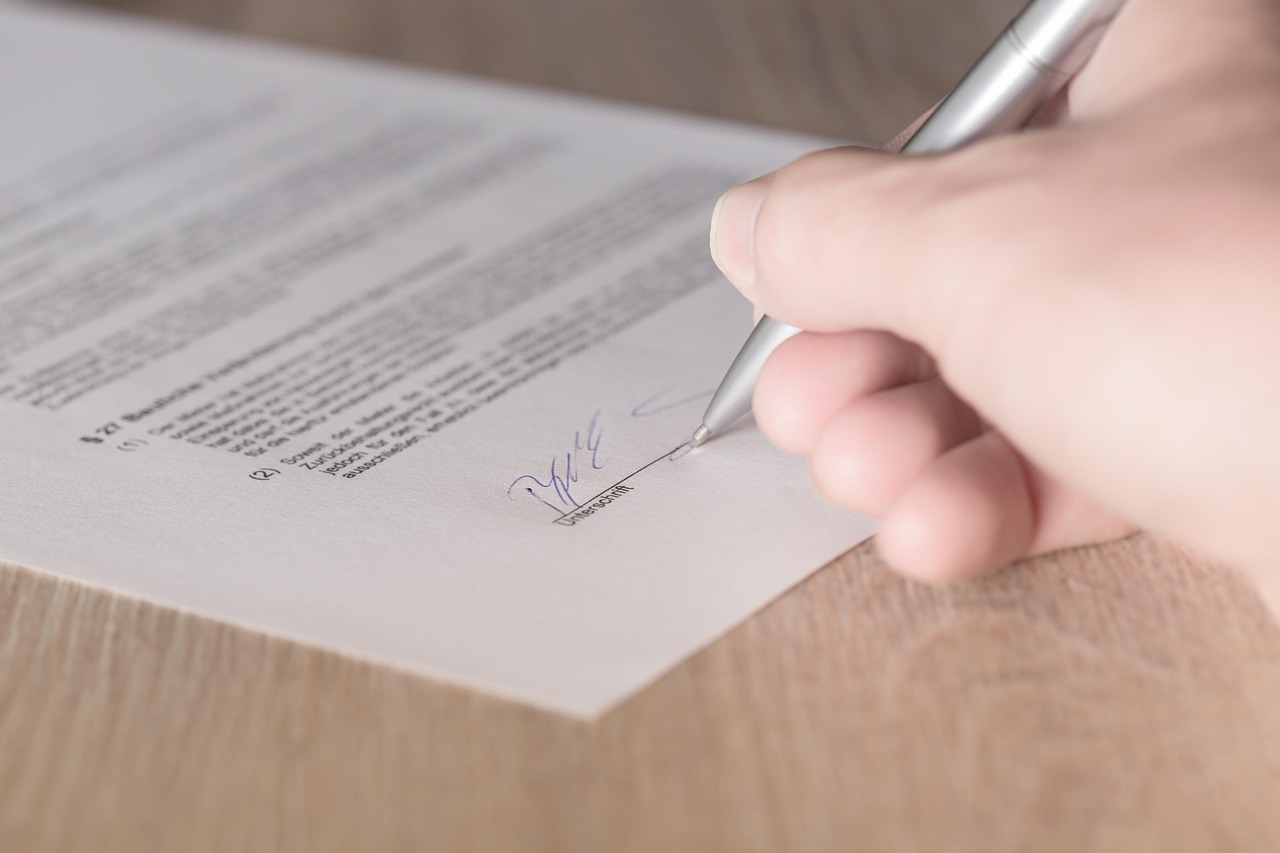
The owner is stunned — "I have a renewal option." They did. It required written notice between nine and twelve months before expiration. That window closed five months ago.
Nothing was done wrong, exactly. The clause was simply never read as an operational deadline.
Why the renewal clause carries so much weight
Everything you invest in a location depends on staying in it. Buildout and equipment. Signage and permits. Customers who know your address. Staff who commute there. Delivery apps and directories with your location on file.
None of that moves. A renewal clause is what determines whether it survives.
And when the lease is ending, your leverage is at its lowest. The landlord knows what moving would cost you. Everything you'd want at that moment — a fair renewal rent, adequate time, certainty — has to be built into the lease at the beginning, when you can still walk away.

Four ways renewal clauses fail tenants
The notice window. Most options require notice inside a defined window: "not less than nine (9) nor more than twelve (12) months prior to expiration." Notice too early can be as ineffective as too late. And New York courts enforce these deadlines closely.
There is a narrow escape hatch. Under J.N.A. Realty Corp. v. Cross Bay Chelsea, Inc., 42 N.Y.2d 392 (1977), a court may excuse a late renewal notice where the delay resulted from inadvertence or honest mistake, the tenant would suffer a real forfeiture — typically substantial improvements or established goodwill — and the landlord isn't prejudiced. The Court of Appeals has since described this as a narrow equitable doctrine, available only to a tenant still in possession (Baygold Assocs. v. Congregation Yetev Lev, 19 N.Y.3d 223 (2012)). Some tenants win these cases. All of them pay for litigation. Calendaring the date is cheaper.
"Fair market rent" with no method. A renewal option at "then-prevailing fair market rent" is barely an option. Without a defined appraisal process, the landlord names a number and your choice is pay it or leave. In our experience, two tenants in the same building can end up well apart on rent for identical space.
Conditional on "no prior default." Read this closely. Many options are void if the tenant has "ever been in default." One late rent payment in year two — cured immediately, never mentioned again — can be enough to extinguish an option in year nine. Landlords do invoke this.
Terms left open. An option that renews "on mutually agreeable terms" or is "subject to Landlord's then-current form of lease" isn't a right. It's an invitation to renegotiate from a weak position.
What to negotiate — at signing, not at renewal
A rent formula, not a market determination. Best case: a fixed percentage increase, or a stated dollar rent for the renewal term. Second best: CPI-linked with a cap. If the landlord insists on fair market value, insist on a defined mechanism — each side appoints an appraiser, the two appraisers pick a third, the middle number governs — plus a floor and ceiling so the outcome stays inside a range you can survive.
A wider notice window, and a reminder duty. Ask for six to nine months rather than nine to twelve. Better still, ask that the landlord be required to notify you in writing 30 days before your notice window opens. In our experience landlords often agree, because it costs them nothing.
A narrow default condition. Change "has never been in default" to "is not, at the time of exercise, in uncured material monetary default." That is a fair condition. The original is a trap.
More than one option. On a five-year initial term, two five-year options give you a fifteen-year horizon with exit points at years five and ten. That's usually better than a single ten-year commitment.
Protection for your investment. If you're funding significant buildout, tie the renewal terms to that investment — a longer term, or a rent credit reflecting improvements that stay with the building.
Three things to do the day you sign
1.Put the notice window in your calendar — the opening date, the closing date, and a reminder 60 days before each. Put it somewhere that survives staff turnover.
2.Send renewal notice by a method the lease specifies, and keep proof. Certified mail with return receipt, or whatever the lease requires. "I told the property manager" is not notice.
3.Start renewal conversations 12–18 months out, before your window opens. Early is leverage. Late is hoping.
If you're already close to expiration
You may have more room than you think. A landlord facing a vacancy, a broker commission, and the cost of a buildout for a new tenant has real incentive to keep you. But that conversation goes very differently with counsel who has read your lease and knows exactly what rights you still hold.
Renewing soon, or signing a lease with a renewal option?
Zhou Law, P.C. reviews renewal provisions as part of every commercial lease review — flat fee from $699, with a redlined lease and written comments in 2–3 business days. If you need us to handle the renewal negotiation directly, our negotiation package starts at $1,099 and includes up to two rounds.
Call +1 (212) 201-6134 or book a free 30-minute consultation.
This article is general information about New York law, not legal advice, and does not create an attorney-client relationship.
